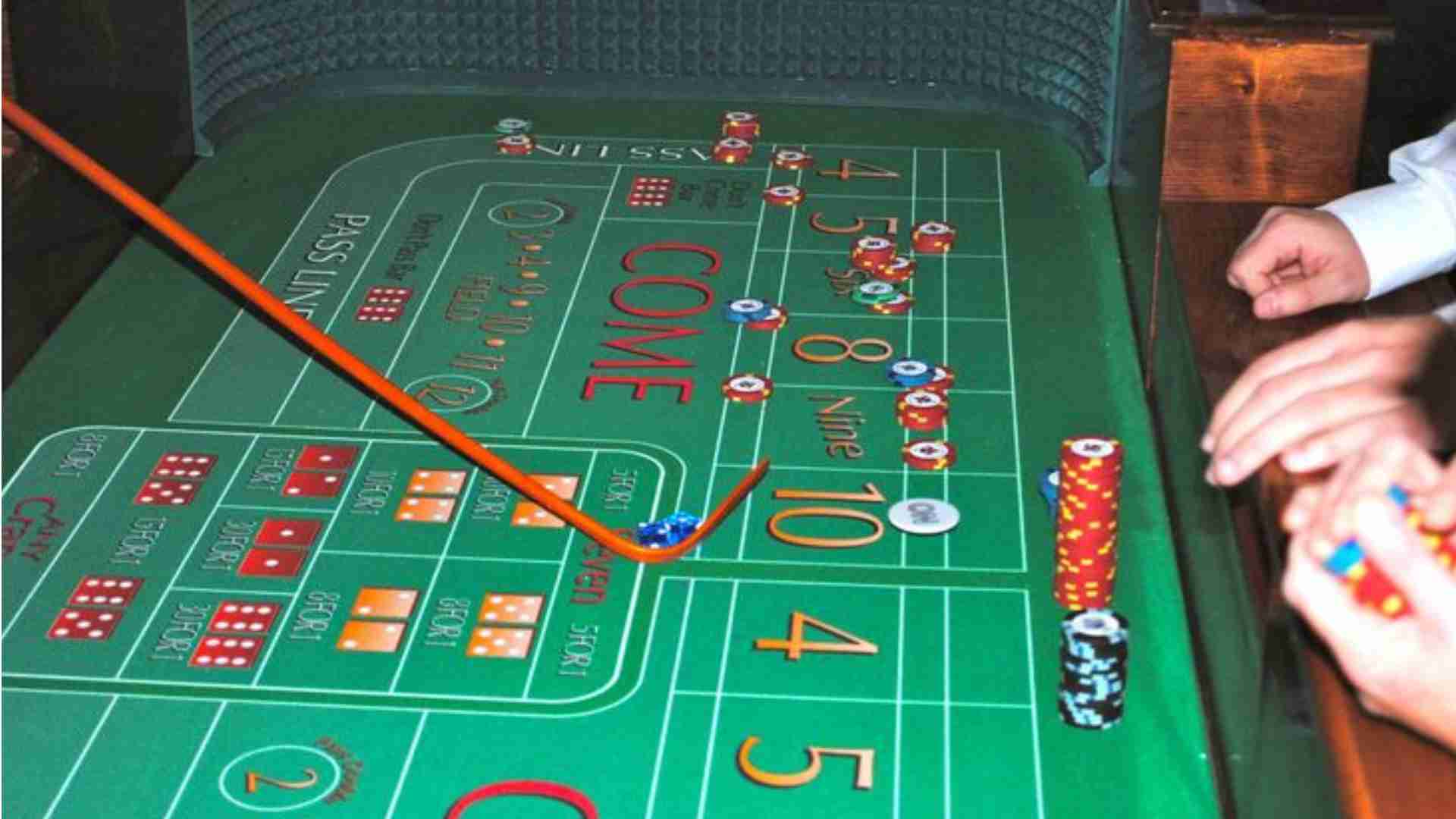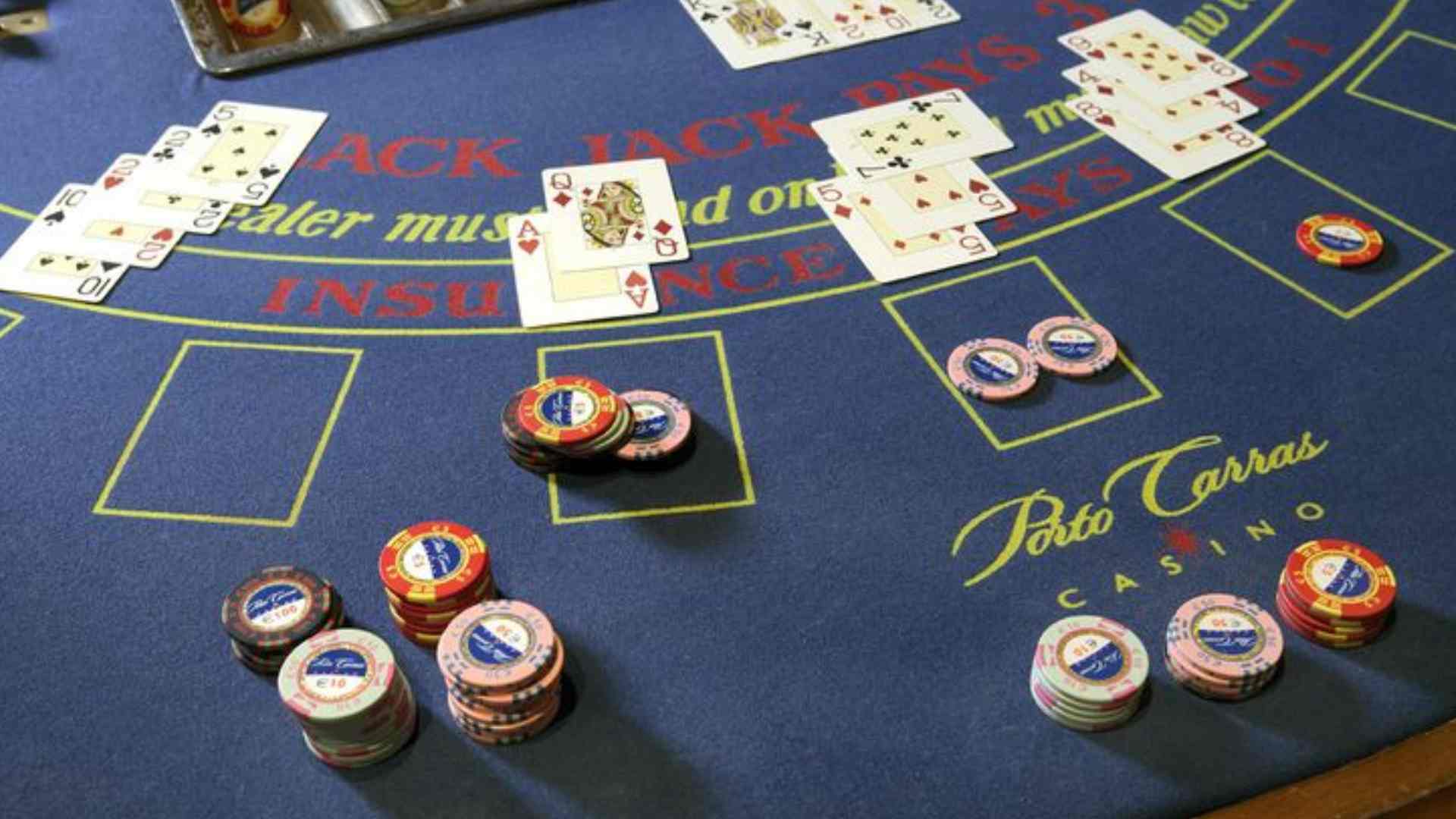
Digital spin games have evolved considerably from their simple physical predecessors, capturing the attention of modern players with dynamic layouts and multi-layered incentive structures. Instead of relying on a single, binary win-or-lose outcome, contemporary platforms now focus on providing diverse prize systems that satisfy different participant expectations. This shift toward varied prize pools alters how individuals engage with interactive wheels, making each rotation a multi-faceted journey rather than a repetitive task.
The Multi-Tiered Architecture of Modern Spin Games
The primary driver behind the growing appeal of modern digital wheels is the systematic division of segments into major, intermediate, and promotional prize tiers. This strategic distribution ensures that participants experience consistent micro-successes, even when the top-tier grand prize remains out of reach. By balancing rare high-value targets with more attainable consolation gifts, developers maintain a steady level of enthusiasm throughout a session.
Furthermore, these diverse configurations are supported by sophisticated backend mathematics that guarantee structural transparency and operational integrity. When selecting a trusted platform, checking the public paytables allows players to verify the explicit probabilities tied to each unique category. Exploring these options through a reliable gateway like the link m88 platform helps enthusiasts make informed choices before participating in interactive challenges.
Integrating Experiential and Virtual Value Systems
Beyond traditional financial incentives, modern developers are increasingly incorporating experiential and digital assets into their reward structures. Virtual components such as custom avatar enhancements, loyalty points, and rare collectables provide lasting utility within online communities without requiring physical fulfillment networks. These creative additions allow participants to express personal identity and achieve meaningful progression across multiple gaming sessions.
This integration shifts the user mindset from seeking instant gratification toward pursuing long-term collection goals. When a wheel offers a blend of immediate utilities and deferred benefits, the gameplay experience becomes significantly richer and more sustainable. Evaluating whether the secondary segments carry genuine practical value is a crucial step for any discerning player looking for quality entertainment.
Psychological Dynamics of Varied Reward Distributions
Human psychology is naturally drawn to situations featuring variable reinforcement, where the specific nature of the upcoming outcome remains completely unknown. When a wheel begins its slow deceleration, the visual transition across diverse reward categories creates a healthy sense of anticipation and focus. This cognitive engagement explains why randomized multi-option formats remain highly effective at capturing human curiosity over extended periods.
It is equally important for players to recognize that every computerized rotation functions as an entirely independent event governed by random number generators. Past results do not influence future spins, meaning that tracking visual patterns or relying on flawed prediction systems will not alter the underlying math models. Accepting this operational reality allows participants to abandon misconceptions and enjoy the pure, unadulterated suspense of the game responsibly.